
Walker County Warrant Access
Walker County Magistrate Court is the central local starting point for many Walker County warrant records because its official jurisdiction includes applications for and issuance of arrest warrants and search warrants. The same court handles first appearances, preliminary hearings, committal hearings, peace bonds, good-behavior bonds, and bail where bail is not reserved to another court. That makes Magistrate Court the most useful first call when the question is whether an arrest or search warrant was issued at the entry point of a criminal case.
No official public online active-warrant list was located on the Walker County Sheriff's Office website in the research file. The absence of a database changes the search path. A person should contact the issuing court, use the sheriff's custody phone system after an arrest, and check State Court, Superior Court, or a municipal court when the warrant may be tied to a missed hearing. Third-party warrant sites are not a substitute for the court that can confirm whether an order is active, recalled, sealed, or tied to a bond condition.
The sheriff's site links to statewide sex offender information. The Georgia public sex offender registry search is not a Walker County warrant database, but it is one official public safety search connected from the sheriff ecosystem.
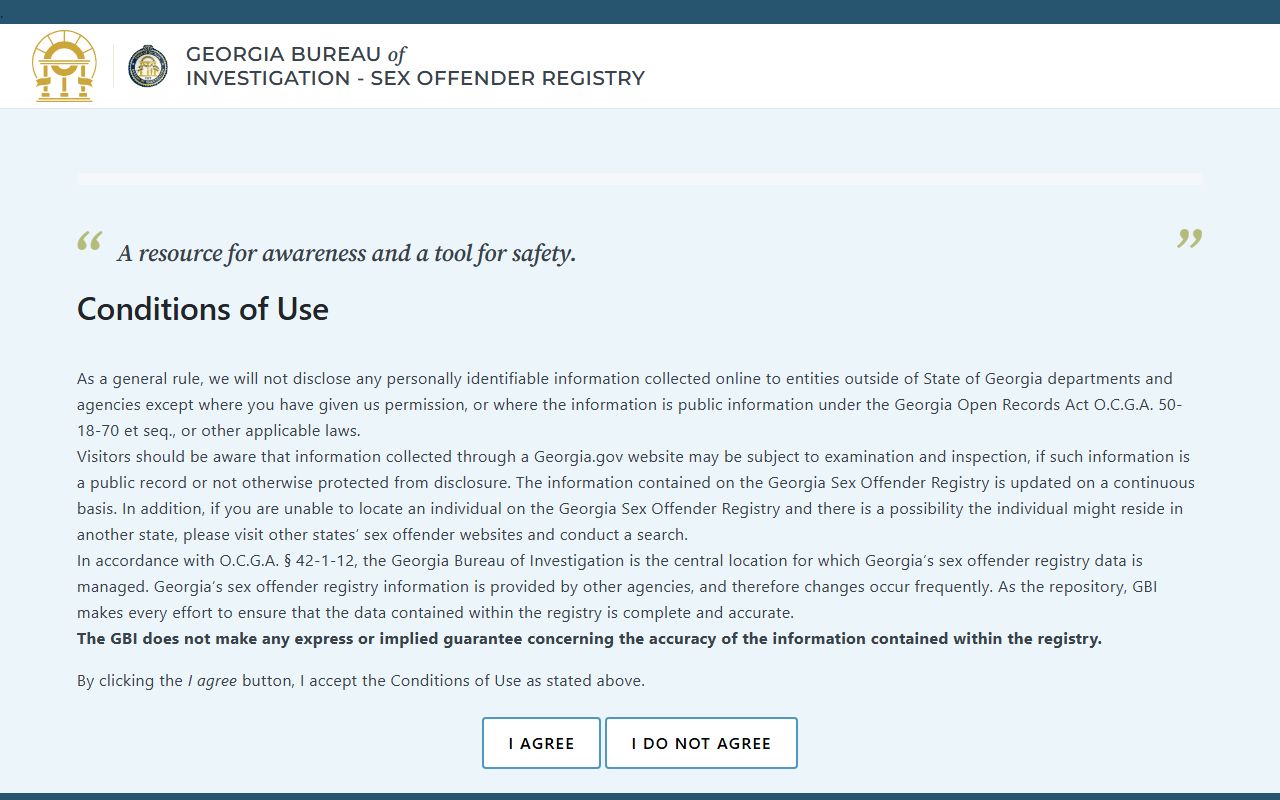
Use the registry only for sex offender information; warrant status still has to be confirmed with the court or sheriff channel that controls the Walker County warrant record.
Walker County Warrant Types
Walker County warrant records can come from different courts and case stages. A warrant may begin with a sworn application in Magistrate Court, with a judge's order after a person misses court, or with a Superior Court felony matter. A city-level citation can also lead to a municipal bench warrant if the case stays in that city court.
- Arrest warrant - a court order authorizing arrest based on a criminal allegation.
- Search warrant - a court order allowing a search of a place, item, or data source.
- Bench warrant - a judge-issued warrant, often after failure to appear or contempt.
- Good-behavior or peace-bond matter - a Magistrate Court proceeding tied to keeping the peace.
- Probation or felony warrant - a Superior Court related order that may connect to a felony case or revocation.
Search warrants and some active investigative records may not be released to the public while an investigation is open. Juvenile and sealed matters are also restricted.
How to Search Walker County Warrants
Because Walker County does not publish a confirmed active-warrant web search, the most reliable process is a routing process. Start with the court named on the citation, summons, bond paperwork, jail paperwork, or notice. If the warrant may be from a new arrest or first appearance, use Magistrate Court. If the issue is custody after arrest, use the Sheriff's Office phone line and AIS path.
- Identify the court from any case, citation, bond, or law-enforcement paperwork.
- Call or visit Magistrate Court for arrest warrants, search warrants, first appearances, committal hearings, and bail questions.
- Use the Sheriff's Office at 706-638-1909 for custody status after an arrest and follow the Detention/AIS menu.
- Contact Walker State Court or the solicitor for many misdemeanor and traffic failure-to-appear matters.
- Contact the Clerk of Superior Court for felony, divorce-related contempt, probation revocation, or Superior Court bench-warrant questions.
- Check the relevant city municipal court if the missed case was written into a city court.
For custody details after a Walker County warrant arrest, the related jail lookup process is described on the Walker County inmate records page.
Walker County Warrant Search Fields
There is no official Walker County active-warrant search form with online fields in the inspected sources. The practical search-field inventory is therefore based on the information an office will need to check the correct court record or jail status. Give the court enough detail to separate one person or citation from another.
| Field Label | Type | Required | Notes |
|---|---|---|---|
| Name | Person identifier | Usually yes | Use full legal name and any known prior name. |
| Date of birth | Date | Often needed | Helps distinguish people with the same name. |
| Issuing court | Court name | Needed if known | Magistrate, State, Superior, or municipal court. |
| Case or citation number | Record number | Useful | Most useful for bench warrants and failure-to-appear matters. |
| Charge or reason | Case detail | Useful | May identify an arrest warrant, traffic FTA, or bond issue. |
| Custody status | Jail status | Optional | Use Sheriff's AIS after an arrest has occurred. |
What Walker County Warrants Show
Official Walker County warrant information may be limited by the issuing court, the stage of the case, and confidentiality rules. The research file identifies an expected warrant-record inventory from official channels. Treat these fields as what a court or jail may confirm, not as a promise that every field is public in every case.
| Field | What It Shows |
|---|---|
| Name | The person tied to the warrant or bench order. |
| Issuing court | The court that issued or controls the warrant. |
| Warrant type | Arrest, search, bench, failure to appear, or related court order. |
| Case or citation number | The docket, citation, or case record connected to the order. |
| Reason or charge | The charge, missed hearing, contempt issue, or other basis. |
| Bond amount | Any bond set by the court or jail, if releasable and current. |
| Hearing status | First appearance, hearing date, disposition, recall, or clearance status when available. |
The GBI sex offender registry information page explains the statewide registry source linked from the sheriff site. That registry may show public offender data, but it is separate from Walker County warrant records.
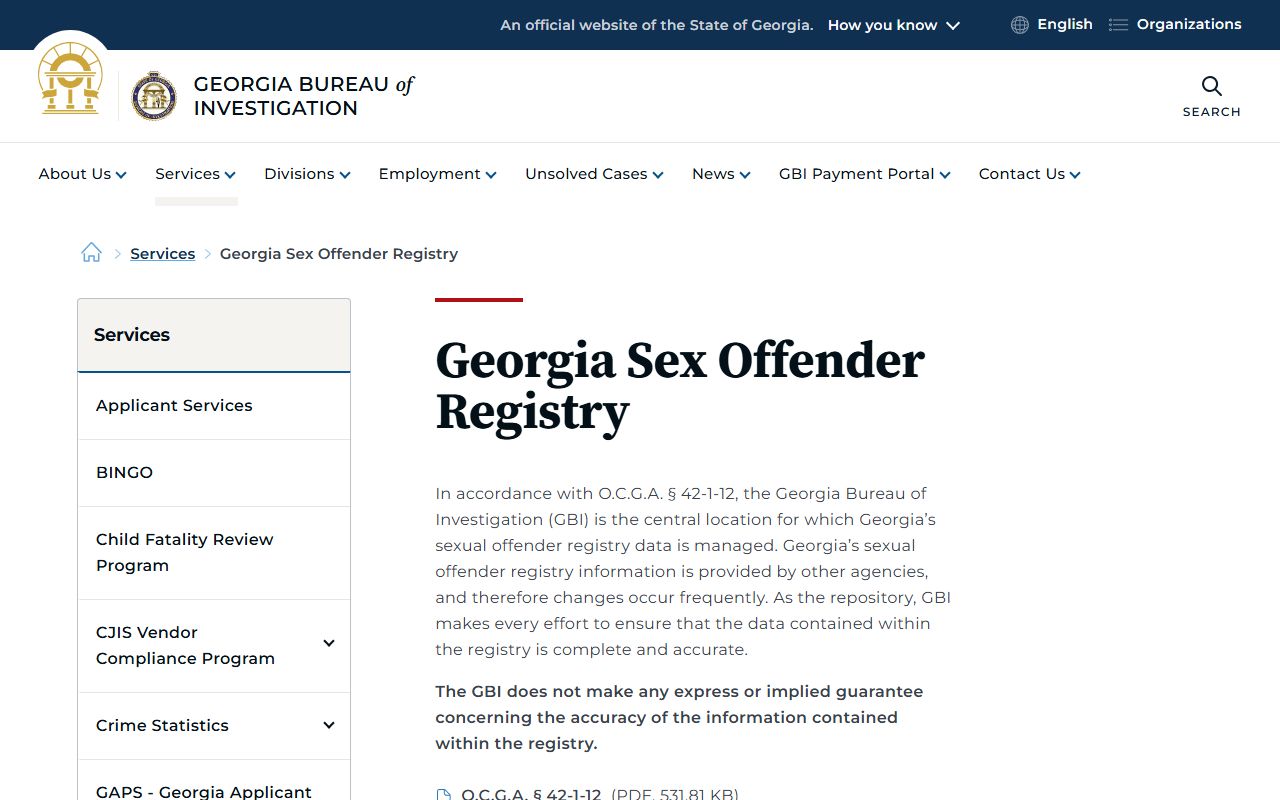
The registry context helps separate public safety registry data from court-issued warrants, which must be checked through the court or sheriff process.
Resolve a Walker County Warrant
A person who believes a Walker County warrant is active should identify the issuing court before appearing in person. Some bench warrants may be addressed through payment, a new court date, or a bond process, but an arrest warrant may require surrender, counsel, and jail booking. The sheriff's misdemeanor and traffic bond schedule can help explain listed bond amounts for some local charges, but the current warrant and bond status must come from the issuing court or jail.
Important: Confirm the issuing court before appearing, especially if arrest, bond, probation, or failure-to-appear consequences may apply.
After a warrant is resolved, ask the court how to verify recall or clearance in the docket. Clearance may not update at the same time in every system.
Walker County Warrant Contacts
Use the contact that matches the warrant source. Magistrate Court is the first stop for many arrest and search warrants. State Court and the solicitor are important for misdemeanor and traffic cases. The Clerk of Superior Court is the record source for Superior Court cases, including felony and probation-related matters.
| Office | Use For | Contact |
|---|---|---|
| Magistrate Court | Arrest warrants, search warrants, first appearances, bail | 201 S Duke Street, LaFayette; 706-638-1217 |
| Sheriff's Office | Custody after arrest, Detention/AIS status | 105 South Duke Street, LaFayette; 706-638-1909 |
| State Court / Solicitor | Misdemeanor and traffic failure-to-appear issues | Judge office 706-638-1664; solicitor 706-638-4352 |
| Clerk of Superior Court | Superior Court bench warrants and felony case records | 103 South Duke Street; 706-638-1742 |
Restricted Walker County Warrants
Not every warrant-related record is public. Sealed warrants, juvenile matters, active investigative search warrants, protected victim or witness information, and court-restricted files may be withheld or redacted. Uniform Superior Court Rule 21 allows limits on access to court files when law or court procedure requires it, and Georgia open-records law also recognizes exemptions for protected records.
Use the Walker County NextRequest portal only for county agency records that are not court records. Court warrant status belongs with the issuing court or sheriff custody channel.
Note: If a record is sealed or restricted, a public counter search may confirm less than the person involved expects.